The Boundary Tree Test: Safer Shooting Lanes on Public-Land Whitetail Hunts
Understanding Boundaries, in Public-Land Whitetail Hunting
When you go out on public-land whitetail hunts most people focus on gear and scent control.. There's one thing that often gets missed: knowing where your shooting lanes end and what's beyond them. Safety depends on this. You need to know if your shot will go over a property line or into something. This kind of thinking helps avoid angles, trespassing and messy animal recoveries. Think of each shot as a navigation task, not a test of your aim.
Verifying Property Lines
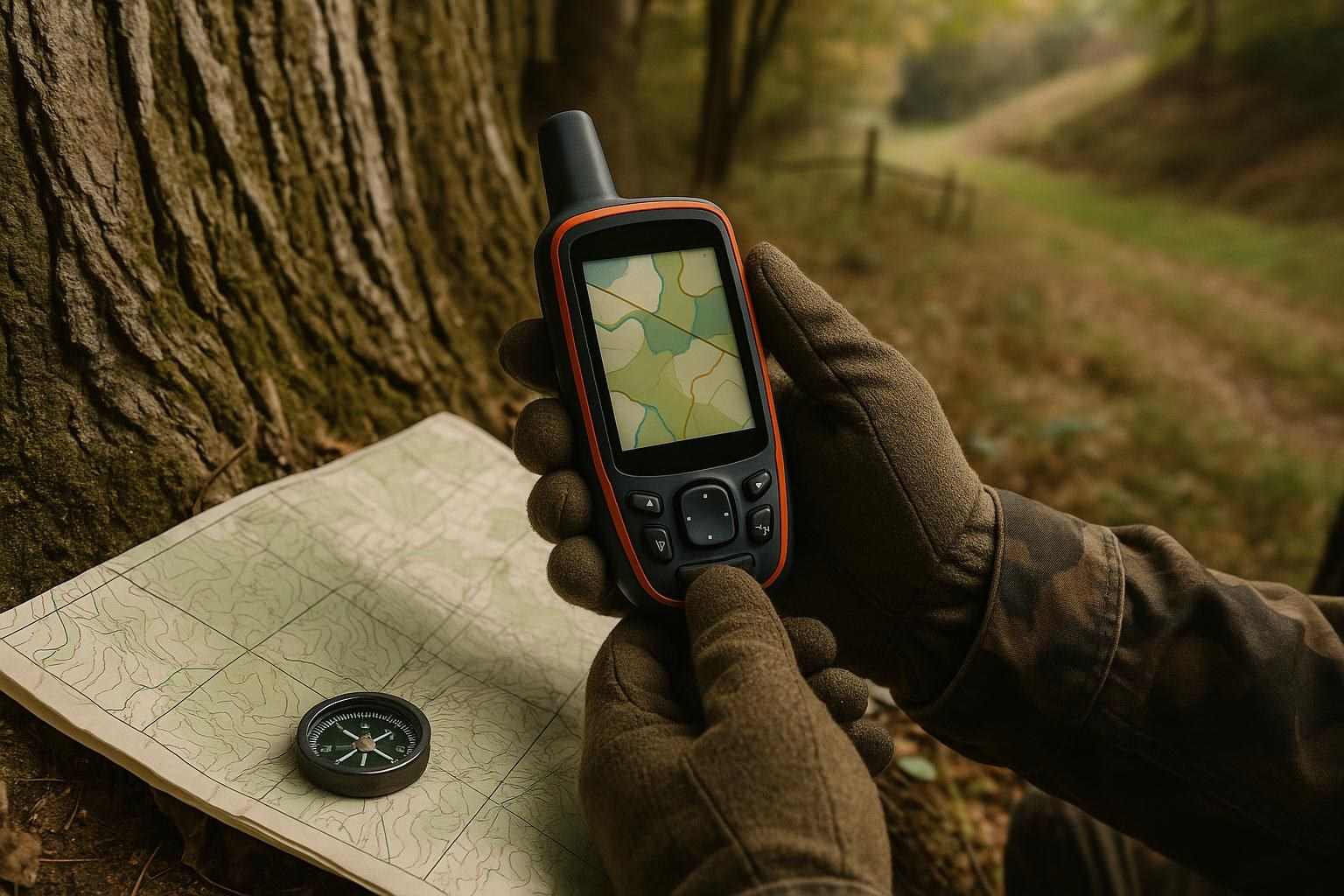
Your phone map is helpful for planning. It's not always accurate. Roads, creeks or fences you see on the map don't always match the boundaries. Mapping data can be wrong. What you see might mislead you. Before you set up your stand compare your map with markers like posted signs, gates or corner posts. These are your bet.
Don't assume a neighboring parcel is open to hunt just because it looks empty. It might be land, part of another area with different rules or completely off-limits. If you're unsure set your stand a little. That way you're safe and legal. Also mark the boundaries on your map. Use a tree or a bend in a drainage as a reference. Avoid using paint or ribbons unless you have permission-those can cause confusion.
Surveying from the Deers Perspective
Many hunters check their shooting lanes from their stand.. That's not enough. You need to see things from the deer's side. Walk the trail the deer is likely to use and look at the area from spots. Watch for things like brush, dips or hills that might push deer toward zones or right up to a boundary.
Just because you can see the deer doesn't mean it's safe to shoot. You must think about where the bullet or arrow will go. Consider the deer's size, your height and its position. A shot that works fine for a deer standing broadside might be risky if it's turning toward a boundary. When you trim branches follow rules. Much cutting can mess up the look and bother other hunters or wildlife.
Conduct a Thorough Backstop Assessment
What's behind your shot matters much as what's in front. Sometimes the ground hides dangers. Thick leaves or brush can hide a backstop. Hills or banks are easier to judge than ground, streams or light brush. Always check the backstop separately. If you can't find an one for shot angles don't take the shot.
Also weather and seasons can change things. Leaves fall fields get harvested rain changes the ground. If the area looks different from when you scouted it check your backstop again. Safety comes first.
Prioritize Ethical Shooting
Ethical shooting starts long before you pull the trigger. Plan ahead: which angles give you a shot at parts? Which should you avoid? Think about distance, deer movement, your spot, your weapon and whether you can recover the animal without crossing property lines.
Even if a deer is close to a boundary and visible it might not be wise to shoot. A small shift in its position could put you in a spot for recovery. If your shot might take you onto land leave your weapon on safety. Wait for a better chance.
Boundary Checklist for Hunters
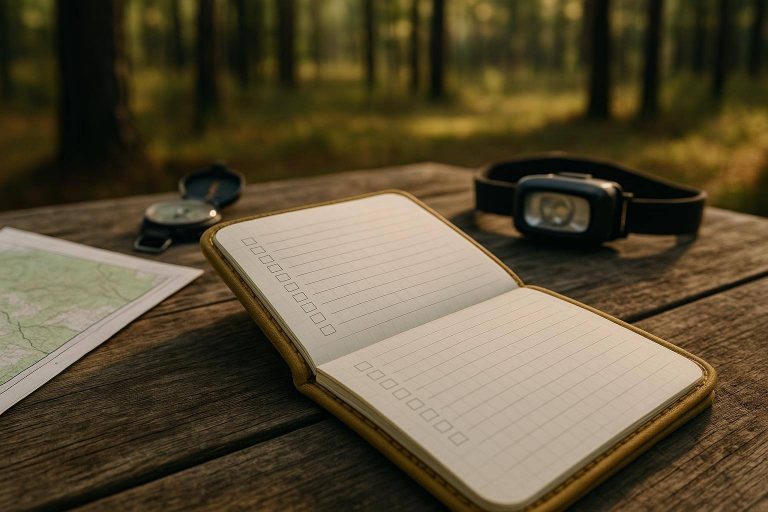
A checklist can help you stay on track and avoid mistakes. Often boundary issues come from rushing. A checklist keeps you focused:
– Confirm the parcel is legal to hunt and check hunting rules from sources.
– Find the closest property line to your hunting spot.
– Note any roads, trails or buildings behind likely shooting lanes.
– Check how safe the backstop is for the shots you plan to take.
– Decide which deer positions you will shoot at.
– Plan a recovery route that doesn't cross onto unauthorized land.
– Bring contact info for landowners if needed.
Rules can change between seasons. Even from one parcel to the next. Always check current rules from state wildlife departments or land managers before you go. If you find differences between your map, signs or the landscape fix those doubts before you trust your assumptions.
Strategizing Your Setup
The best stand isn't always the one with the deer trails. It's the one that gives you the choices. Pick a spot with a backstop, a way to recover an animal and enough distance from property lines. It might mean deer sightings. It gives you time to make smart decisions.
This matters more on public land. Other hunters, hikers or hidden trails can pop up unexpectedly. Always face your seat toward the part of the area. Keep directions as no-shoot zones. If rules require it talk to others nearby. Let them know where you are.
Good prep won't guarantee a kill. It makes sure you're focused on shots that're safe, legal and responsible. Staying disciplined like this helps keep your access to hunting land and protects the trust, within the hunting community.